
Key insights
- The Trump administration is seeking to appeal a federal court order that allows for tariff refunds, potentially halting further payouts. While $20.6 billion has already been issued, another $85 billion in refund applications are pending. The administration's appeal focuses on limiting payouts for 'finally liquidated tariffs' to only those companies that have sued, which could significantly reduce the total amount refunded. This action introduces uncertainty around trade policy and its financial implications for businesses.
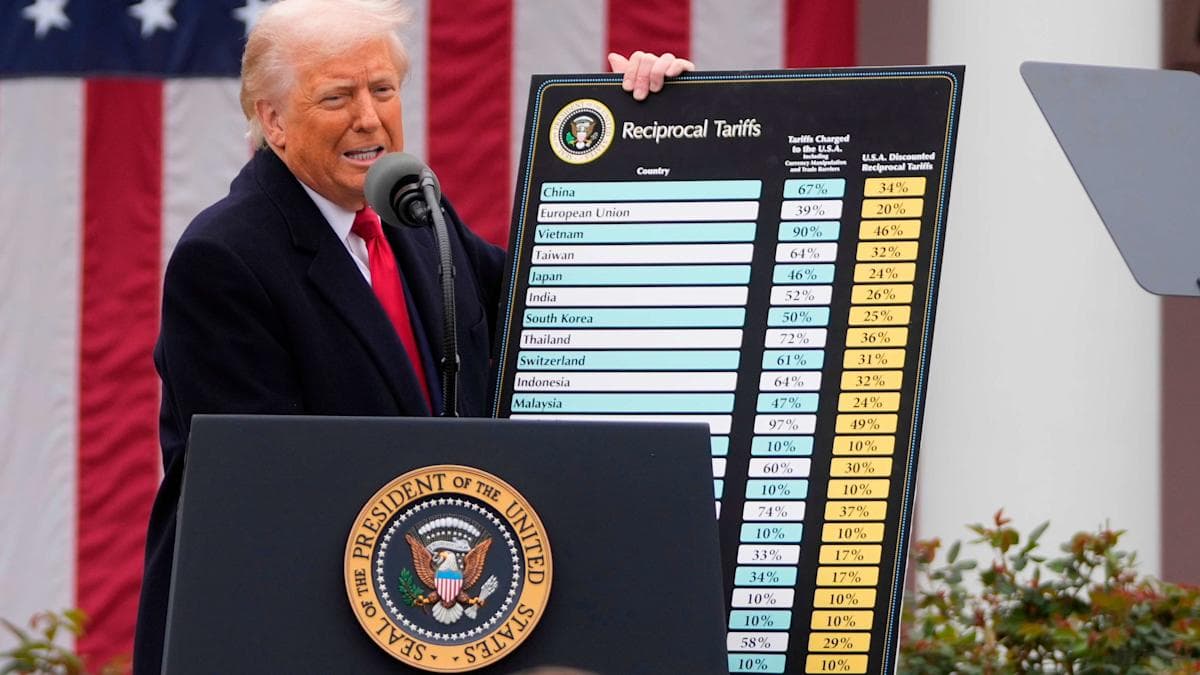
While more US companies and businesses apply to receive tariff refunds, the Trump administration is seeking to appeal the federal court order and bring these payouts to a screeching halt. The administration has already issued $20.6 billion in refunds, while US Customs reports that another $85 billion in refund applications have been submitted.
Yahoo Finance Washington Correspondent Ben Werschkul tracks the payouts that President Trump while reporting on the administration's latest tariff cuts on farming equipment.
The Trump administration has paid tens of billions of dollars in tariff refunds, but future payouts could be limited. Our Washington correspondent Ben Wurtskol joins me now with more. So, explain, Ben, what's going on here?
For sure. Yeah. So this has been a big week if you like reading tariff refund court filings because there's been a lot of back and forth between both the Trump administration and the presiding judge in the case. One of the headlines out of it, as you just mentioned, is significant payout of these tariff refunds. The Trump administration puts it at 26 20.6 billion in refunds that have been sent for disbursement. So they're they're approved and they're they're in the process of going out. We've already seen a bunch of companies get checks in the recent weeks. In addition to that, 85 billion in tariff refunds that have been applied for and are in process. This is about half of the 166 billion in tariffs that are potentially eligible for. and we have headlines on that front as well. kind of questions around the remainder here of how much of that, whether the Trump administration might seek to limit that. The Trump administration has said in one of these filings that there has been, they are planning to contest one specific scenario. It's what call what are called finally liquidated tariffs, looking to sort of limit payouts there only to companies that have sued for sued for these payouts. So that could that could lessen some of what's totally totally paid out here too. and has led to kind of a back and forth where the judge in the case who's named Richard Eton of the US Court of International Trade, has ordered a Trump administration official to appear next Tuesday to kind of answer for all this and clearly expressed unhappiness with the progress of the program. This is a real market change from recent weeks where the the both sides seem to be working pretty well together in spite of President Trump himself often bemoaning paying tariffs, the aids, his officials here and the judge were were kind of happy with the progress at least up until about a week ago. So it's a change for importers and as trade lawyers I talk to are kind of advising their clients to act as quickly as they can because this uncertainty is clearly increasing about this remainder portion of the tariffs.
Yeah, I mean, if there's one thing that's been consistent, it's been the uncertainty around the tariffs. Um, speaking of which, there seems to be another change on that front. Um, it sounds like the Trump administration is pulling back on some of their uh, farm machinery tariffs.
Yeah, exactly. So this was an announcement came last night. It's it came in the form of adjustments to the president's metal tariffs. These are section 232 tariffs. Just to make it more confusing, this is a wholly different authority than the IEEPA tariffs that the refund, the refunds are on now. But what the Trump administration did is lessen the tariffs from 25 to 15% on foreign agricultural equipment. combines, harvesters, were name-checked, things like that. from from 25 to 15% if they if they didn't have US, enough US steel in them. This is kind of the latest exception in these in these steel tariffs. There was another one a few weeks ago about the kind of components of a of a good if it had enough steel to to qualify for tariffs or not, but it's clearly a kind of benefit for um, for farmers and buyers of farm equipment. You're seeing stocks like John Deere and um Agco go up in in response to this. John D but it's limited. I just checked a few minutes ago. It's between 2 and 5% because I think John Deere has manufacturing in the US. That that's not going to be changed here. They do have manufacturing overseas. So in the kind of specific scenario of them importing a harvester from overseas, they're going to pay less duties for.
Yeah, so, unless it changes again. Ben, thanks so much. Good to see you. Appreciate it.
Yeah.