
Key insights
- Global central banks, including the Federal Reserve, are expected to hold interest rates steady due to energy volatility stemming from tensions in the Strait of Hormuz. This geopolitical risk is driving up input costs and threatening inflation targets. The Fed will assess Q1 GDP and the conflict's impact on consumer spending while signaling a strategic pause, not a pivot. Markets are focused on signs of economic divergence and hawkish rhetoric from policymakers.
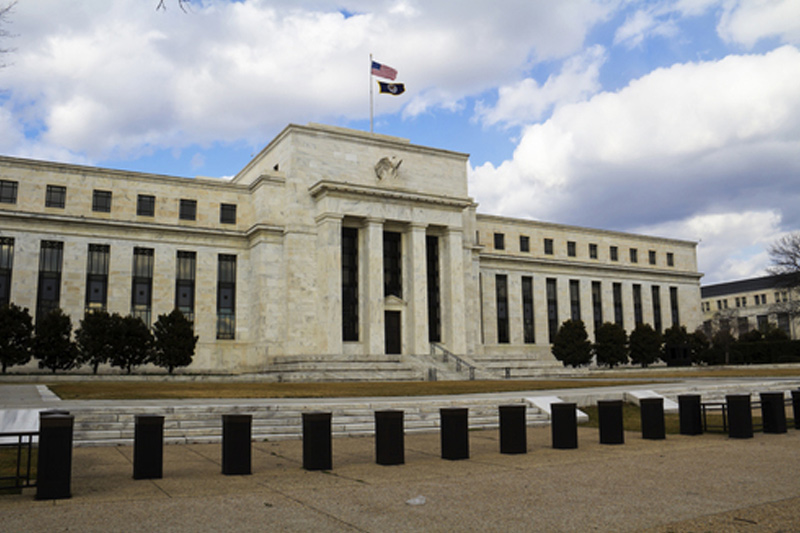
Investing.com -- A synchronized wave of central bank interest rate decisions is set to dominate the global financial calendar this week, with policymakers across the G-7 widely expected to maintain their current borrowing costs.
From Washington to Tokyo, officials are opting for a "wait-and-see" approach, prioritizing stability as they navigate the inflationary fallout from persistent volatility at the Strait of Hormuz.
The collective resolve to keep rates on hold marks a significant shift from the initial, and ultimately erroneous, "transitory" inflation narrative that characterized the 2022 energy shock.
Domestic economic health remains the primary mandate for central banks, but the persistent US-Iran conflict has effectively become the invisible hand guiding global monetary policy.
The effective shutdown of the Strait of Hormuz, a vital chokepoint for roughly 20% of global oil and liquefied natural gas supplies, is driving input costs higher, threatening to undo the progress made in anchoring long-term inflation expectations.
Investors are bracing for a week of hawkish rhetoric, as officials attempt to signal that their pause is a calculated strategic hold rather than a pivot toward easing. In the U.S., the Federal Reserve is expected to keep rates steady as it analyzes the first quarter’s GDP rebound and the initial impact of the Middle East conflict on consumer spending.
Similarly, the European Central Bank and the Bank of England are likely to hold, though both institutions may keep the option for future hikes on the table, keeping a nervous watch on regional fuel-supply crunches that are already pushing euro-zone inflation toward the 3% mark.
Beyond the immediate rate decisions, the market is laser-focused on signs of structural economic divergence.
Asian PMIs have shown a "fragile resilience," but the inflationary pressure in Latin America, particularly in Brazil and Chile, contrasts sharply with the more cautious approach seen in the G-7.
As central banks manage this transition, the focus will remain on whether they can successfully navigate the dual risks of cooling economic growth and persistent energy-driven inflation without triggering a systemic liquidity crunch.
The global economy remains in a state of suspended animation, waiting for either a de-escalation in maritime trade tensions or a clearer signal on the sustainability of current domestic growth trends.