
Key insights
- Indian fuel retailers have raised petrol and diesel prices for the third time in less than 10 days, reflecting sustained high international crude costs and geopolitical tensions. While the direct impact on US equities is limited, rising energy prices globally contribute to inflationary pressures, potentially influencing Federal Reserve policy and indirectly impacting US market sentiment. The magnitude of this impact is low given the focus on Indian domestic prices.
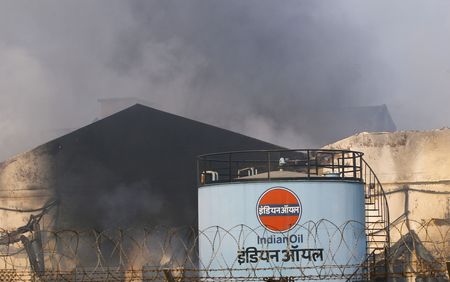
Investing.com -- Indian state-run oil marketing companies raised retail petrol and diesel prices for the third time in less than 10 days on Saturday, reflecting an increase of up to 94 paise ($0.010) per litre across major metropolitan areas.
The price adjustments follow a multi-year period of relative domestic price stability. State-run fuel retailers initiated this sequence of revisions on May 15 with an initial increase of ₹3.00 ($0.031) per litre, which marked the first major domestic fuel price hike in nearly four years.
Saturday’s subsequent revision saw petrol prices climb by 87 paise ($0.009) per litre and diesel prices by 91 paise ($0.010) per litre, driven by sustained high costs of international crude benchmarks.
Following the latest weekend adjustments, the retail price for petrol in the capital city of New Delhi stands at ₹98.64 ($1.031) per litre, up from prior levels, while diesel is fixed at ₹92.49 ($0.966) per litre.
In financial centers like Mumbai, fuel rates remain elevated relative to the capital due to variations in local Value Added Tax (VAT) schedules and state-level levies, with petrol trading at ₹95.02 ($0.993) per litre alongside a price change of 94 paise ($0.010), and diesel priced at ₹108.49 ($1.133) per litre following a 90 paise ($0.009) upward adjustment.
The consecutive pricing revisions occur as international Brent crude prices remain highly elevated due to ongoing geopolitical tensions in West Asia and associated energy supply disruption risks.
Indian oil marketing companies had previously kept domestic retail rates frozen for several months, absorbing significant under-recoveries as international oil purchase costs advanced.
Because India imports more than 80% of its crude oil requirements, domestic retail rates remain highly vulnerable to international energy benchmarks and shifts in the value of the Indian Rupee.
Industry analysts indicate that the trajectory of future retail fuel pricing across the country will depend on whether international supply chain conditions stabilize or face further logistical disruptions.