
Key insights
- The Reserve Bank of India is expected to hold rates steady in June despite rupee pressure, according to BofA. While domestic inflation is below target, global factors and potential El Niño impacts pose upside risks. Markets are pricing in significant tightening, but the RBI may prioritize growth over aggressive rate hikes, potentially leading to continued rupee weakness and imported inflation concerns. This could indirectly impact global commodity prices and investor sentiment.
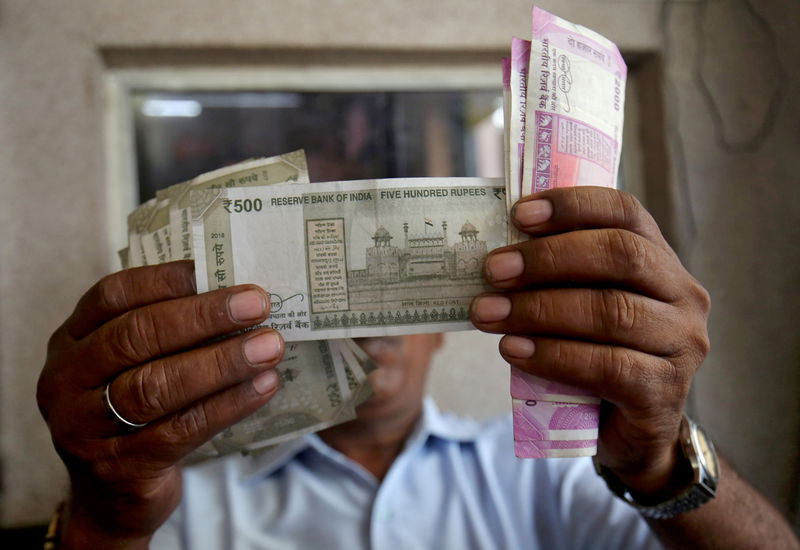
Investing.com -- The Reserve Bank of India (RBI) is expected to maintain interest rates at its June monetary policy meeting while adopting a more hawkish tone, according to a new report by Bank of America (BofA) Global Research.
Indian central bank is facing a difficult balancing act between supporting economic growth and defending the Indian rupee, which has come under pressure amid global geopolitical tensions, rising commodity prices, and widening trade deficits.
BofA noted that India's domestic economic conditions do not currently justify an immediate rate hike. Consumer price inflation stood at 3.48% in April, below the RBI's 4% target, while economic growth remains moderate and industrial activity shows limited signs of overheating.
Although wholesale inflation has surged due to higher global commodity and energy prices, the pass-through to consumer prices has so far been limited. Core inflation remains relatively stable at around 3.7%.
Financial markets, however, are increasingly pricing in future rate hikes. According to BofA, investors expect more than 100 basis points of tightening over the next year as concerns grow over the rupee's weakness and imported inflation.
The report says the conventional response to currency weakness would be to raise interest rates, making rupee-denominated assets more attractive and reducing import demand. However, BofA questions whether a small increase would be effective, arguing that only a large hike would significantly influence market sentiment and support the currency.
BofA expects inflation pressures to build in coming months due to higher fuel prices and global energy costs. It forecasts headline inflation could rise above 5% by September 2026 and remain elevated through early 2027. Weather-related risks also loom large, with forecasts indicating an 82% probability of an El Niño event that could disrupt monsoon rainfall and food production.
Despite these risks, the report believes the RBI is unlikely to tighten policy immediately. The central bank has continued injecting liquidity into the financial system in recent months, signaling a preference for supporting growth rather than aggressively defending the exchange rate. Inflation remains below target and real interest rates are still positive, giving policymakers room to wait for clearer evidence of persistent price pressures.
BofA's base case is for a "hawkish hold" in June—keeping rates unchanged while signaling readiness to act later if inflation accelerates or rupee weakness persists. The report suggests the RBI could begin considering rate hikes in the second half of 2026, with its central forecast pointing to the first increase around December, although earlier action remains a possibility.
"The June meeting is likely to be more about preparing markets for future tightening than delivering an immediate hike," describing a hawkish hold as the most balanced response to the current economic environment.
AI computing powers are changing the stock market. Investing.com's ProPicks AI includes dozens of winning stock portfolios chosen by our advanced AI. Our flagship Tech Titans strategy doubled the S&P 500 within 18 months, including notable winners like Super Micro Computer (+185%) and AppLovin (+157%). Which stock will be the next to soar?