
Key insights
- TSA data shows continued YoY decline in passenger screenings, with Southwest and Alaska Air experiencing the largest drops. Airlines are cutting capacity in response to softer demand and high fuel costs. Spirit Airlines' market exit is expected to redistribute passenger volume. Overall, this signals potential near-term headwinds for the airline sector and broader market due to reduced travel and economic activity.
Investing.com -- Transportation Security Administration (TSA) screening data for U.S. airlines showed a marginal improvement last week, although year-over-year growth remains in negative territory.
According to a report from the Bernstein Societe Generale Group released recently, the aviation sector continues to navigate a challenging demand environment characterized by elevated ticket prices and strategic capacity cuts.
The current market conditions are largely attributed to airline efforts to offset significant increases in fuel costs stemming from the ongoing conflict in Iran.
The data reveals that all major domestic carriers saw available seat mile (ASM)-weighted TSA screenings decline over the last seven days compared to the same period last year.
Southwest Airlines (LUV) and Alaska Air Group (ALK) recorded the most significant drops, with screenings falling 4.6% and 6.3%, respectively.
Other major players, including Delta Air Lines (DAL) and United Airlines (UAL), saw declines hovering around the 2% mark.
American Airlines (AAL) outperformed its peers slightly with a more modest 1.5% year-over-year decrease, a trend Bernstein notes is likely supported by easier comparisons following specific operational challenges the airline faced in 2025.
Current scheduling data indicates that airlines are responding to the softer demand trends by adjusting their forward-looking capacity.
While domestic capacity for the second quarter of 2026 is currently scheduled to grow by 3.6%, recent revisions show that carriers have begun trimming seats for the upcoming months.
Total industry capacity for May was reduced by 0.3% over the last week, while June schedules saw a 0.5% reduction.
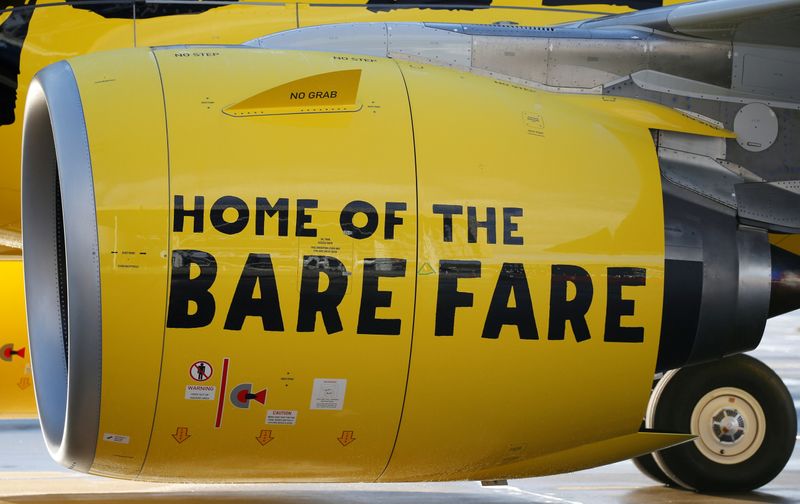
The adjustments come as the industry monitors the potential impact of Spirit Airlines’ planned exit from several markets, which is expected to redistribute passenger volumes across the remaining low-cost and legacy carriers.
Despite the slight weekly uptick in passenger volume, the broader trend suggests that consumer sensitivity to high fares, driven by the war-related fuel price spike, remains a primary headwind for the industry as it enters the peak summer travel season.