
Key insights
- The IEA is advocating for a new Iraq-Turkey oil pipeline to bypass the Strait of Hormuz due to ongoing instability. This could alleviate some pressure on global oil supply chains and potentially lower energy costs, indirectly benefiting US consumers and businesses. However, the impact is limited by the project's long-term nature and geopolitical complexities.
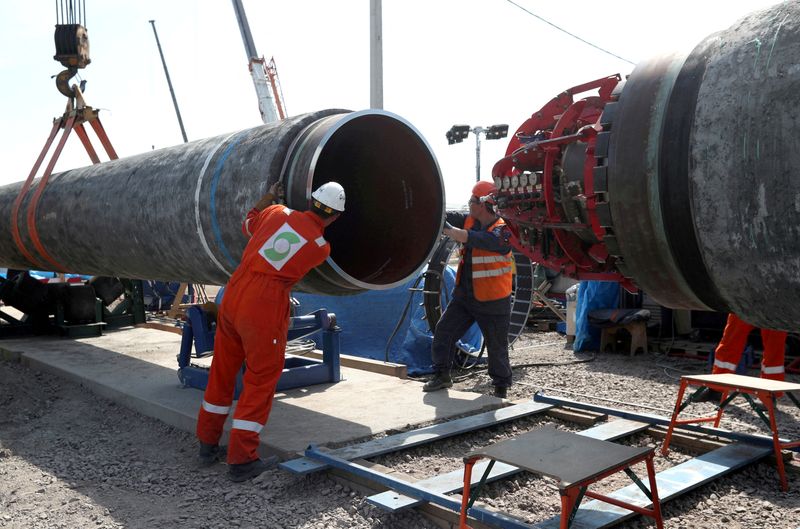
Investing.com -- With the Strait of Hormuz remaining a volatile bottleneck for global energy markets, International Energy Agency (IEA) Executive Director Fatih Birol has called for the construction of a new oil pipeline connecting Iraq’s southern Basra fields to the Turkish Mediterranean terminal in Ceyhan.
The proposal, aimed at permanently bypassing the increasingly unreliable waterway, comes as Iran continues to impose erratic restrictions on vessel traffic.
"The vase has been broken once, and it’s very difficult to fix," Birol stated in an interview with the Turkish newspaper Hürriyet, emphasizing the severity of the ongoing disruption.
Approximately 90% of Iraq’s oil exports are currently dependent on transit through the Strait of Hormuz.
Birol argues that a Basra–Ceyhan pipeline is no longer just an infrastructure project, but a strategic necessity for both Iraq and Turkey, and a vital supply security asset for European markets.
The proposal arrives at a time when traditional Middle Eastern transit corridors are under immense pressure.
Following the effective stalling of the U.S.-backed India–Middle East–Europe Economic Corridor (IMEC) and persistent instability in the Red Sea, Turkey has positioned itself as an increasingly viable alternative for trade routes linking the Persian Gulf to European markets.
The project would require a robust political agreement between Ankara and Baghdad, but Birol remains optimistic, noting that the current regional landscape makes the timing "exactly right."
He suggested that financing, often the most significant hurdle for cross-border energy infrastructure, could be bolstered by European support.
As of Saturday, the situation in the Strait of Hormuz remains fluid, with Iran re-imposing restrictions on commercial vessels less than a day after declaring the channel open.
The renewed volatility has forced liquefied natural gas tankers to divert, further underscoring the urgency of Birol’s "strategic project" in a market that can no longer rely on the status quo of Persian Gulf logistics.