
Key insights
- A Ukrainian drone strike on a Russian fertilizer facility exacerbates global supply concerns, potentially fueling inflation. With fertilizer prices already elevated due to Middle East tensions and export curbs by Russia and China, further disruptions could amplify price volatility in agricultural commodities, indirectly impacting US equities through broader inflationary pressures and supply chain vulnerabilities.
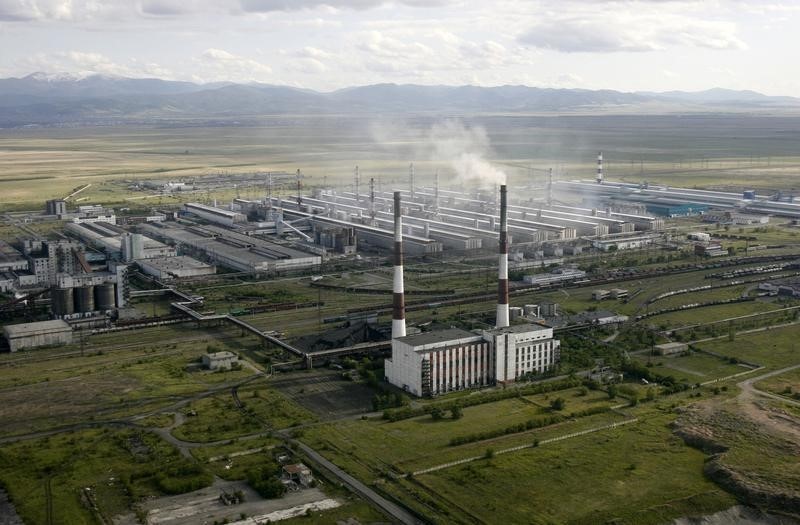
Investing.com -- Ukraine has launched a fresh drone attack on a major fertilizer facility in northwest Russia, marking the second strike on the site this month and underscoring Kyiv’s strategic intent to undermine Moscow’s commodities-led economic resilience.
The assault targeted the Apatit JSC complex in the Vologda region, owned by PhosAgro PJSC, causing damage to a high-pressure sulfuric acid pipeline.
Regional governor Georgy Filimonov confirmed the leak was swiftly contained and no hazardous chemicals escaped, but the incident left five workers injured and hospitalized.
This strike is part of an intensifying campaign by Ukrainian forces to disrupt Russian production infrastructure. By targeting exporters who have enjoyed windfalls from surging global prices, Kyiv seeks to neutralize Moscow’s economic leverage.
Global fertilizer prices have effectively doubled since the onset of the war in the Middle East, a spike largely driven by the ongoing closure of the Strait of Hormuz.
As a critical choke point for roughly one-third of global seaborne fertilizer trade, the Strait’s effective shutdown has left markets hypersensitive to any further supply-side disruptions.
Ukraine alleges that the Apatit plant supports Russian military efforts by producing raw materials for explosives, but these claims have not been independently verified.
Beyond the fertilizer sector, the broader conflict remains volatile, with the General Staff of Ukraine reporting a massive overnight drone engagement that saw over 140 munitions launched across multiple sites.
The normalization of strikes against energy and fertilizer infrastructure in Russia adds a persistent layer of risk to global food security.
As Russia and China maintain export curbs to preserve domestic supply, any further escalation at production hubs like Vologda is likely to amplify price volatility across the agricultural commodities complex.