
Key insights
- Rising energy costs, driven by geopolitical tensions, are indirectly supporting iron ore prices by increasing production and shipping expenses. UBS estimates a $10/barrel increase in crude oil can raise iron ore industry costs by $0.40-$0.80/tonne. This steepens the cost curve, tightening supply and supporting prices despite bearish signals like high Chinese inventories. Australian miners are better positioned due to shorter shipping distances. Prolonged energy market disruptions could further support iron ore prices.
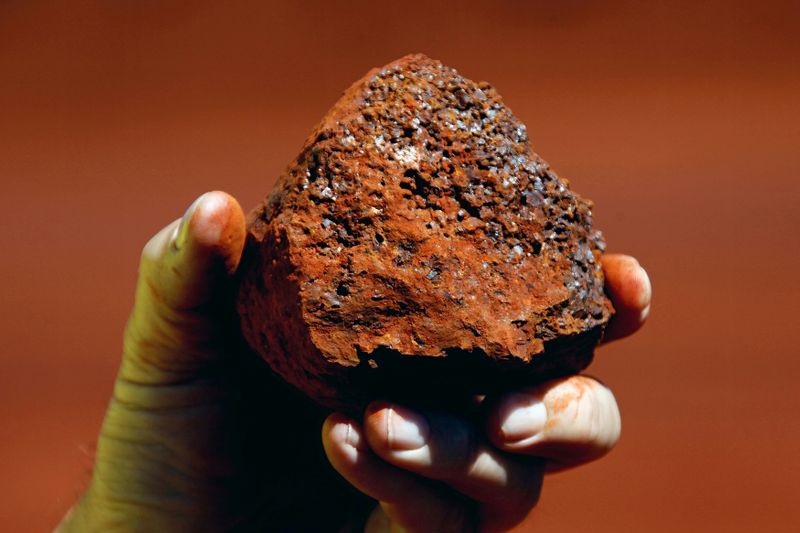
Investing.com – Iron ore prices are becoming increasingly sensitive to rising energy costs, as higher oil prices push up both shipping and production expenses across the global mining industry, UBS said.
The recent spike in energy markets, driven by geopolitical tensions in the Middle East, has lifted the cost base for iron ore producers, particularly through higher bunker fuel costs for shipping and increased fuel expenses at mine sites. This is beginning to reshape the industry’s cost curve and, in turn, price dynamics.
Rising oil prices do not directly determine iron ore prices, but they play a crucial indirect role by increasing marginal production costs. UBS estimates that every $10 per barrel increase in crude can raise industry costs by roughly $0.40 to $0.80 per tonne, underscoring the sector’s sensitivity to energy markets.
As costs rise, the global cost curve steepens, meaning a larger portion of supply becomes uneconomical at lower prices. This effectively tightens supply and provides stronger support for iron ore prices, even in periods of weak demand or high inventories.
UBS noted that current iron ore prices are already trading within cost support levels, suggesting that higher energy costs are helping sustain prices despite bearish signals such as elevated Chinese port inventories and softer seasonal demand.
The impact varies across producers. UBS said Australian miners are relatively better positioned due to shorter shipping distances to China, while more distant or higher-cost producers face greater pressure on margins as energy costs rise.
Looking ahead, UBS highlighted that the trajectory of oil prices will be a key driver. Prolonged disruptions in energy markets, such as those linked to tensions around the Strait of Hormuz, could further lift the cost curve and provide additional support to iron ore prices.
In contrast, any easing in oil prices would reduce cost pressures and could weigh on iron ore prices.