
Key insights
- Gold prices fell due to a stronger dollar and the continued US blockade of the Strait of Hormuz, despite a ceasefire extension with Iran. Geopolitical tensions and rising oil prices contribute to uncertainty. The dollar strength is a headwind for gold, while the blockade exacerbates supply chain issues and inflationary pressures, potentially leading to risk-off sentiment in US equities.
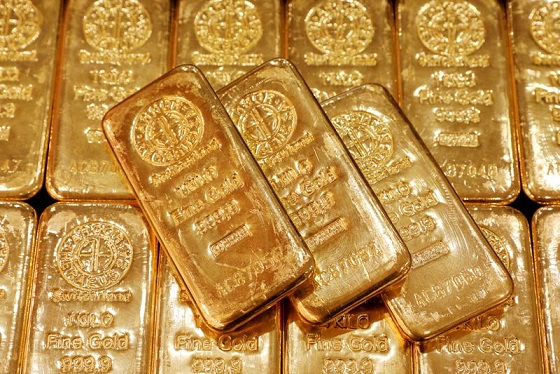
Investing.com -- Gold prices recovered slightly after the U.S. agreed to extend the ceasefire with Iran, but remained weighed down by a stronger U.S. dollar and the continued U.S. blockade of the Strait of Hormuz.
At 16:45 ET (20:45 GMT), spot gold XAU/USD trimmed some of its losses but was still down 2.2% to $4,676.04/oz, while Gold Futures fell 2.8% to $4,713.04/oz.
"Gold has put in an impressive recovery since dropping to $4,100 a month ago. But it now shows signs of having run out of upside momentum as it consolidates around the $4,800 area. The daily MACD has flattened out around the ‘neutral’ level having been rather oversold at the end of March. Yet again, gold has fallen under the spell of the U.S. dollar, which means that any rally in the greenback is weighing on it, as things stand," David Morrison, senior market analyst at Trade Nation, said.
Get more insights on gold and the Iran war with InvestingPro - now 55% off
The New York Times earlier in the day reported that U.S. Vice President JD Vance’s trip to Islamabad in Pakistan for more talks was on hold after Tehran failed to respond to U.S. negotiating positions, citing a U.S. official with direct knowledge of the matter.
Iran’s Fars News Agency had said that the country was yet to decide on attending the talks, citing the foreign ministry’s spokesperson. State media also said that Tehran wanted the U.S. to lift its blockade on vessels entering and exiting Iranian ports before peace talks could restart.
Iran’s foreign minister Abbas Araghchi said the blockade was "an act of war and thus a violation of the ceasefire."
Oil prices advanced on Tuesday, and were hovering well above pre-war levels due in large part to a continued closure of the Strait of Hormuz, a vital conduit for a fifth of the world’s oil. The effective shuttering of the waterway was reinstated over the weekend, despite having been temporarily reopened to commercial shipping traffic on Friday.
The jump in oil prices due to the strait’s shuttering has fueled fears that a bout of inflationary pressures could hit countries around the world, potentially leading central banks to hike interest rates. This could bode poorly for non-yielding assets like gold, which tend to underperform in elevated rate environments.
Denting the appeal of gold was a strengthening in the dollar, which can make bullion more expensive for overseas buyers. A tracker of the greenback on Tuesday hit a near two-week high on safe haven demand and commentary from Warsh.
The dollar emerged as a safe haven asset of choice for investors during the latest Middle East conflict partly due to expectations that the U.S. would be more insulated from any oil shock due to its status as an energy exporter, and bets that central banks would keep interest rate higher for longer to combat any oil-linked inflation.
Warsh, Trump’s pick to become the next Fed chief, said he would pursue broad changes in policymaking if confirmed to lead the central bank.
“We need, in my judgment, fundamental policy reforms” at the Fed, Warsh told a Senate committee. Errors made in combatting inflation during the COVID-19 pandemic call for that change and “I think that means a regime change in the conduct of policy. I think that means a different, new inflation framework,” he said.
His nomination has been viewed as less dovish than markets were expecting. While Warsh has expressed support for Trump’s demands for lower rates, he has in the past criticized the Fed’s asset buying activities, and has called for a leaner balance sheet.
Gold and other precious metals plummeted from record highs following Warsh’s nomination in late-January. In prepared remarks at the hearing, Warsh emphasized the Fed’s independence from political influence, but also noted that the bank should remain focused on its primary goals.
His confirmation as Fed Chair is likely to be delayed even as incumbent chair Jerome Powell’s term ends in May. Several top lawmakers have called for Powell to stay on until the Trump administration drops an investigation into Powell and the Fed over allegations of corruption in a renovation project. The probe was widely criticized as an attempt to coerce the central bank.
Ambar Warrick, Scott Kanowsky, and Anuron Mitra contributed to this article