
Key insights
- DRC's central bank projects 6.2% growth, but identifies external shocks, particularly a prolonged Strait of Hormuz crisis and global slowdown, as key risks. Slower global growth could reduce demand for raw materials, impacting DRC's export earnings. While the direct impact on US equities is limited, it highlights the vulnerability of emerging markets to geopolitical risks and commodity price fluctuations, indirectly influencing global economic sentiment.
Investing.com -- The Democratic Republic of Congo’s economic growth rate is projected to climb to 6.2% this year from 5.8% last year, Central Bank Governor Andre Wameso said on Tuesday in Kinshasa.
The country’s foreign reserves stand at $7.7 billion, while inflation has reached 2.36% over the past year. The Congolese franc has maintained strength against the dollar, helping to contain the effect of increased prices stemming from the Middle East conflict.
Wameso identified external shocks as the main risk to the country’s economic outlook. "Our primary concern regarding the country’s situation lies with exogenous shocks—specifically, should the crisis in the Strait of Hormuz prove to be prolonged," Wameso said.
A deceleration in worldwide economic expansion could reduce demand for raw materials and affect prices, potentially resulting in a shortage of foreign currency earnings from exports and increased costs for the country, according to the governor.
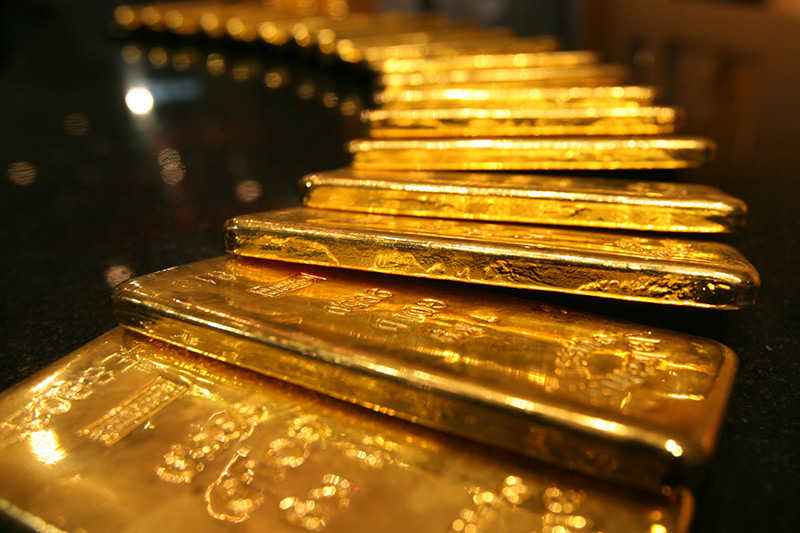
The central bank plans to use gold deposits to build reserves as a protective measure. State-owned DRC Gold Trading serves as the primary supplier, though the bank is not limited to this source.
"We can buy our gold from whomever can furnish it to us in the conditions of traceability, transparency and conformity" with the law, Wameso said.
This article was generated with the support of AI and reviewed by an editor. For more information see our T&C.