
Key insights
- The RBNZ held rates but signaled future hikes due to rising inflation risks from geopolitical tensions. This highlights potential global inflationary pressures and central bank responses, which could indirectly influence the Federal Reserve's policy decisions and, to a lesser extent, U.S. equity market sentiment. The divided vote underscores the uncertainty surrounding the economic outlook.
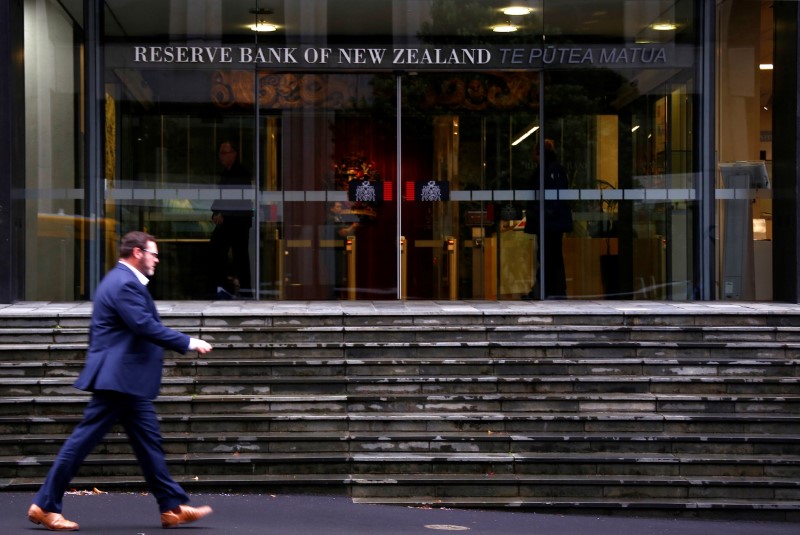
Investing.com-- New Zealand’s central bank held interest rates steady on Wednesday but signalled that borrowing costs will likely need to rise in coming months as the Middle East conflict fuels inflation pressures and weakens global growth.
The Reserve Bank of New Zealand kept the official cash rate unchanged at 2.25%, in line with market expectations. However, policymakers said rates would “most likely need to increase sooner and by more than envisaged” in its previous February forecasts.
Get real-time updates on central bank decisions, economic indicators with InvestingPro
The decision exposed a sharply divided Monetary Policy Committee, with three members voting to hold rates and three backing a 25-basis-point hike. Governor Anna Breman used her casting vote to keep rates unchanged.
The RBNZ said annual inflation is expected to accelerate to 4.3% in the third quarter of 2026, driven by higher fuel and petrochemical costs linked to disruption in the Strait of Hormuz. Inflation stood at 3.1% in the March quarter.
The bank warned that supply chain disruptions, elevated energy prices and weaker confidence were weighing on the economy, while unemployment remained high and the housing market subdued.
Still, policymakers said stronger inflation expectations and persistent price-setting behaviour could require tighter monetary policy this year to prevent near-term price shocks from becoming embedded in the economy.
The New Zealand dollar's NZD/USD pair jumped 0.7% on future rate hike expectations.