
Key insights
- Qatar is resuming maritime navigation, signaling a potential thaw in Persian Gulf energy lanes. This follows reports of successful oil tanker transits and ongoing US-Iran peace talks. The move could ease global energy supply constraints, potentially lowering Dutch TTF and JKM gas prices. While daylight-only navigation suggests lingering security concerns, a return of Qatari LNG shipments could significantly impact global energy markets and indirectly influence US equities through inflation expectations.
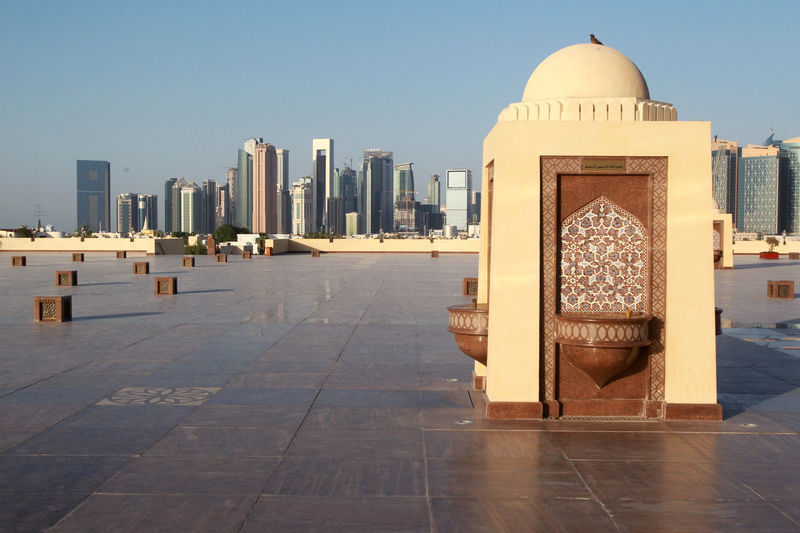
Investing.com -- Qatar has announced the full return of maritime navigation for all vessels and ships within its territorial waters, effective Sunday, a significant signal that the "frozen" energy lanes of the Persian Gulf are beginning to thaw.
According to a statement from the Qatari Transport Ministry, vessels will be permitted to navigate during a daylight window from 6:00 a.m. to 6:00 p.m. local time, marking the first major step toward operational normalization since the regional conflict escalated in early March.
The timing of the announcement is being closely dissected by global energy traders as a potential harbinger of a breakthrough in the ongoing peace talks between the U.S. and Iran in Islamabad.
Qatar, home to the world’s largest liquefied natural gas (LNG) export facilities, has seen its maritime exports paralyzed for over a month following an Iranian attack on its infrastructure and the subsequent "de facto" closure of the Strait of Hormuz.
Market participants view the resumption of navigation as a "controlled opening" intended to test the durability of the current two-week ceasefire.
The daylight-only restriction suggests that security concerns remain acute, but the move follows recent reports of three oil supertankers successfully transiting the Strait, a feat that has lowered the immediate "war premium" on regional shipping insurance.
If Qatari LNG tankers begin to move through the corridor toward Asian and European hubs, it would mark the most significant easing of global energy supply constraints since the war began.
The impact on global gas prices is expected to be immediate. The closure of Qatar’s export plants in March removed a massive volume of supply from a market already reeling from the loss of Russian pipeline gas.
Analysts suggest that even a partial return of Qatari shipments could trigger a "downward mean-reversion" in Dutch TTF and JKM (Japan Korea Marker) prices, which have traded at a 40% premium throughout the blockade.
However, the "Janbaz" status of Iran’s new Supreme Leader and the persistent naval standoffs in the Strait suggest that the road to full recovery remains fraught with risk.
Investors are cautioned that while navigation in Qatari waters is resuming, the "Safe Opening" of the Strait itself remains a separate, highly technical negotiation point in Islamabad.