
Key insights
- China is encouraging U.S. agribusinesses to invest in its agricultural sector, viewing it as a key area for growth and cooperation despite broader trade tensions. This initiative aims to modernize rural infrastructure and enhance food security. While the direct impact on U.S. equities is limited, it signals a potential buffer against further decoupling and supports continued demand for U.S. agricultural exports, particularly benefiting companies in related sectors.
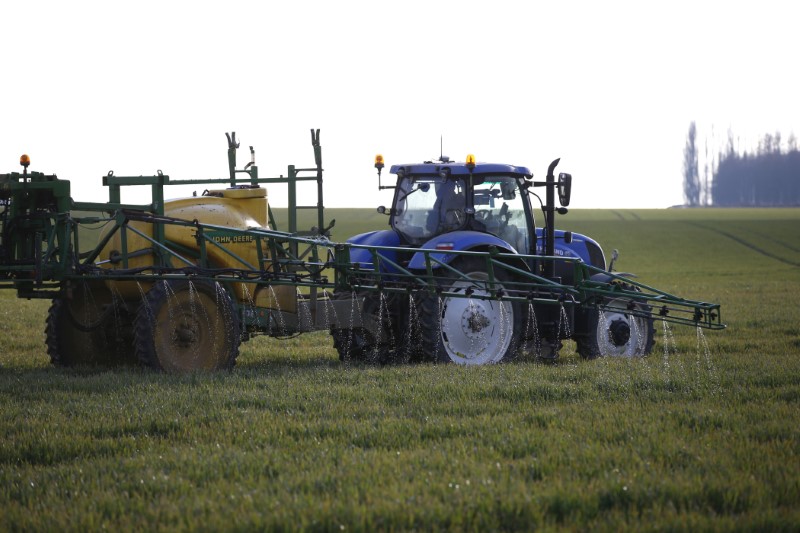
Investing.com -- China is calling on American corporations to deepen their involvement in its domestic agricultural sector, framing the country’s "rural revitalization" drive as a primary growth engine for foreign investment.
During a meeting with a U.S. business delegation in Beijing on Saturday, Vice Agriculture Minister Zhang Zhili urged firms to align their technical expertise with the goals of the 15th Five-Year Plan.
The appeal suggests that despite persistent friction in the broader bilateral relationship, Beijing continues to view agricultural cooperation as a stabilizing pillar of the U.S.-China economic tie.
The Ministry of Agriculture and Rural Affairs emphasized that the upcoming policy cycle will prioritize the modernization of rural infrastructure and the advancement of high-tech farming inputs.
Zhang noted that U.S.-invested companies are uniquely positioned to benefit from these state-led initiatives, particularly in areas ranging from advanced seed technology and food processing to agribusiness investment.
Beijing sees the integration of American innovation as a necessary component in achieving food security and closing the urban-rural wealth gap, even as the delivery of global commodities remains under pressure from regional conflicts.
The outreach comes at a delicate time for U.S.-China trade relations. Sectors like semiconductors and electric vehicles have been hit by a wave of reciprocal tariffs and export controls, but the agricultural trade has remained remarkably resilient.
In 2025, U.S. agricultural exports to China reached record levels, driven by a surge in demand for soybeans, corn, and beef. The connection between American farmers and Chinese consumers has historically acted as a buffer against total decoupling, providing a rare area of consensus where mutual economic benefit outweighs geopolitical maneuvering.
It remains to be seen whether the agricultural diplomacy can withstand the broader "risk-off" sentiment currently dominating global trade.
Analysts suggest that while Beijing’s invitation is a positive signal for major agribusiness players, the long-term trajectory of the agricultural investments will depend on the stability of the Phase One trade deal legacies.