
Key insights
- ECB and BoE are expected to hold rates despite energy-driven inflation, focusing on second-round effects. Fiscal stimulus and reduced energy dependence may prevent a severe downturn. While direct US equity impact is limited, the cautious approach to tightening and potential for weaker European growth presents a slight bearish signal for global risk sentiment and multinational earnings.
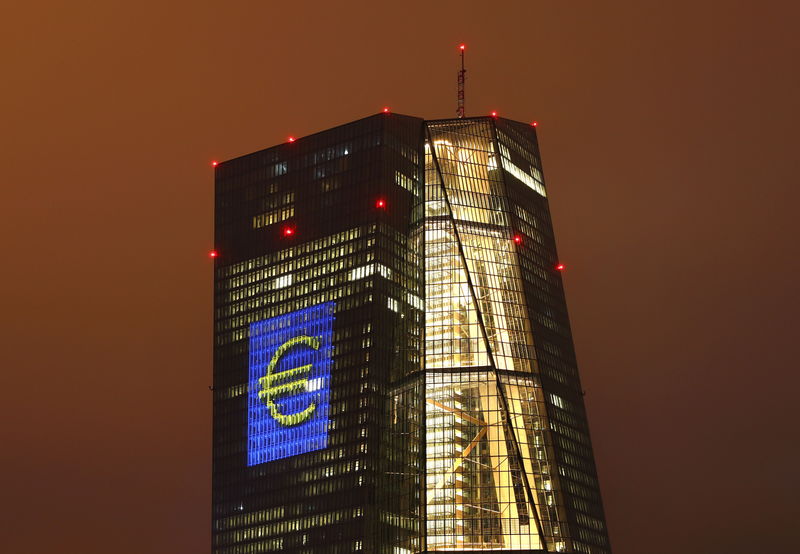
Investing.com -- The European Central Bank and the Bank of England are expected to maintain interest rates at current levels while delivering hawkish guidance as they navigate a fresh wave of energy-driven inflation.
According to a new analysis from UBS Group AG (NYSE:UBS), policymakers are shifting their focus toward the "second-round" effects of rising fuel prices, specifically inflation expectations, rather than reacting to the initial price shock.
Markets are currently pricing in multiple rate hikes for 2026, but analysts suggest a more cautious "watch-and-wait" approach is the more likely path for the Eurozone and the U.K.
Central banks are walking a tightrope between curbing sticky inflation and avoiding a severe hit to medium-term growth. UBS notes that higher inflation inherently implies weaker economic expansion, yet a repeat of the 2022 downturn may be avoided thanks to significant fiscal expansion.
The "fiscal firepower," on a scale not seen since the pandemic, is expected to support demand and shield major economies like Germany from the full brunt of the energy spike. Consequently, the ECB and BoE are likely to express continued readiness to act without prematurely tightening policy into a slowing economy.
The resilience of the European economy is further bolstered by a structural shift in energy consumption. Since the 2022 crisis, industries have partially weaned themselves off imported gas through substantial investments in solar, wind, and heat pumps.
Furthermore, the energy intensity of the economy has declined as services take a larger share of output and electric vehicles now account for 20% of new car registrations. These efficiencies suggest that while the region remains exposed to global market spikes, it is significantly better prepared to absorb the current shock than in previous cycles.
Markets are focused on the least productive sectors of manufacturing, where output has fallen even as overall gross value added remains relatively stable. Investors are also closely watching the April 6 deadline regarding the Iran conflict, which could dictate the duration of the current energy premium.
As long as second-round inflation effects remain contained, the hawkish hold strategy is expected to persist, providing a stabilizing, if restrictive, backdrop for European equities through the first half of the year.