
Key insights
- Serbian forces thwarted a sabotage attempt on a key gas pipeline to Hungary, raising regional security concerns. While no damage occurred, the incident adds to existing anxieties about European energy security amidst global supply chain strains. The timing, near Hungarian elections, amplifies political sensitivity. The direct impact on US equities is limited, but it underscores broader geopolitical risks that could indirectly affect global markets.
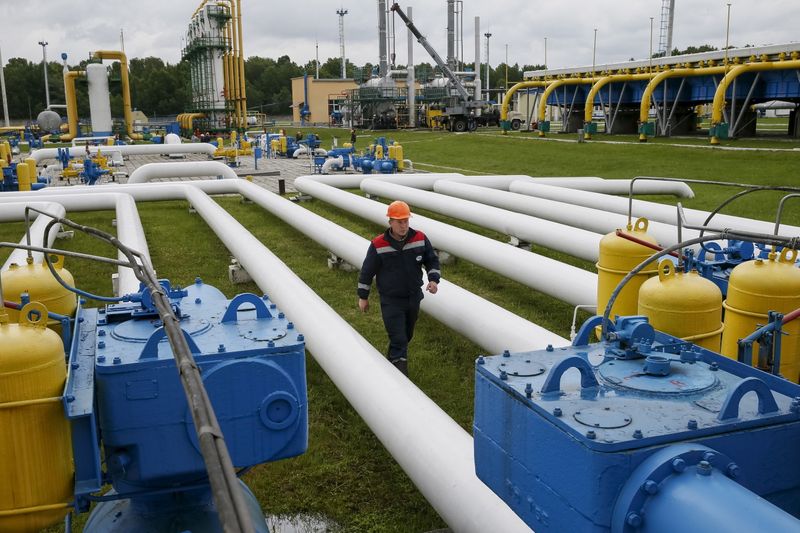
Investing.com -- Serbian security forces have intercepted a major sabotage attempt against the country’s energy infrastructure, uncovering "explosives of devastating power" planted along a primary natural gas pipeline near the Hungarian border.
The discovery, announced by President Aleksandar Vucic on Sunday, marks a significant escalation in regional security risks as the Middle East conflict continues to strain global energy logistics and heighten domestic anxieties across Europe.
The explosives, which included active fuses, were discovered near the town of Kanjiza, approximately six miles from the border with Hungary.
The targeted pipeline is a critical energy artery, supplying the majority of Serbia’s domestic gas needs before extending north to fuel the Hungarian economy.
No damage to the infrastructure was reported, but the proximity to the border has triggered an immediate joint investigation between Belgrade and Budapest.
President Vucic, who briefed Hungarian Prime Minister Viktor Orban on the "first results of the investigation," took to local television to signal a zero-tolerance policy toward such threats.
“The Serbian army today managed to prevent an action against the vital interests of the country,” Vucic stated. He further warned that “Serbia will ruthlessly deal with anyone who thinks they are threatening its vital infrastructure.”
The incident occurs at a high-stakes moment for the region, falling just one week before Hungary’s crucial national elections.
Prime Minister Orban had already ordered a security surge around energy hubs in February, citing concerns that regional instabilities could lead to targeted disruptions of Hungary’s energy systems.
Investors acknowledge that this attempted sabotage adds a new layer of "territorial risk" to European energy markets. With the Strait of Hormuz currently blocked and global supply chains already in a "straitjacket," any disruption to land-based European pipelines could trigger the kind of "non-linear" economic shifts recently modeled by analysts for the UK and Eurozone.
The event underscores a growing trend where energy infrastructure is increasingly viewed as a primary target for asymmetric interference during periods of heightened global tension.