
Key insights
- BofA maintains its forecast of two Fed rate cuts in 2026, citing the Fed's dovish bias on supply-side inflation, limited wage pressures, and political considerations. They anticipate incoming Fed Chair Warsh will support easing by September. While acknowledging risks tilted towards no cuts, BofA highlights slowing real consumer spending and rising PCE as potential headwinds.
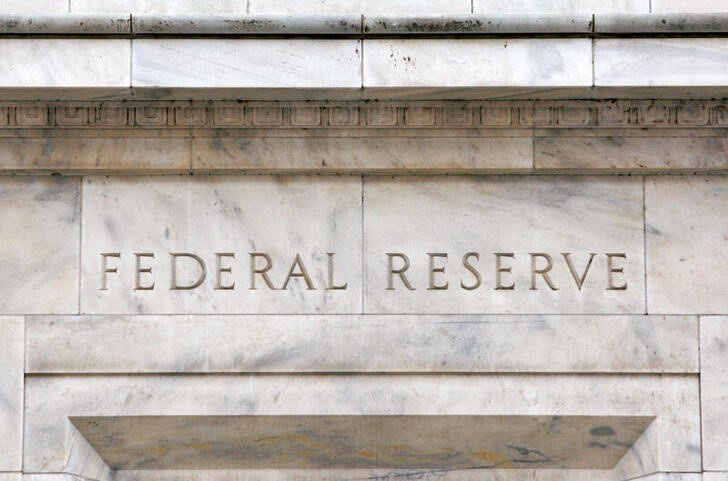
Investing.com -- Bank of America is standing by its forecast for two Federal Reserve rate cuts in 2026, telling clients in a note that the central bank's dovish bias toward supply-driven inflation, limited wage pressures and political dynamics will ultimately outweigh near-term inflation concerns.
U.S. economist Aditya Bhave acknowledged that BofA's recent forecast revisions pointed to slightly softer growth and higher inflation, but said those changes were not enough to alter the rate outlook.
"We still expect cuts this year given the Fed's bias to look through supply-driven inflation, little signs of wage pressures, and political pressure," Bhave wrote.
BofA noted that by September, incoming Fed Chair Kevin Warsh should be in place and have accumulated sufficient evidence of inflation cooling to build support for easing. The firm acknowledged that risks are tilted toward no cuts but maintained its base case.
The March FOMC minutes, released this week, reinforced the Fed's wait-and-see posture.
“A ‘couple’ of officials who still anticipate eventual rate cuts indicated they have pushed back the expected timing. ‘Some’ even suggested signaling the possibility of hikes. On the other hand, “many participants” still felt it was appropriate to lower rates ‘in time’” said BofA.
On the consumer, BofA flagged that real spending rose just 0.1% month-on-month in February, slowing to a 0.8% annualized pace over the prior three months. Headline PCE increased at a 4.1% annualized rate over the same period, and BofA warned that energy prices could keep real spending under pressure in the near term.