
Key insights
- G7 nations pledge to defend energy supplies amid escalating maritime threats, particularly in the Strait of Hormuz. This commitment aims to stabilize global energy markets and prevent disruptions to oil and LNG flows. While the immediate impact is limited, the proactive stance could mitigate potential energy price shocks, offering a slight bullish signal for US equities by reducing inflation risk and supporting economic stability.
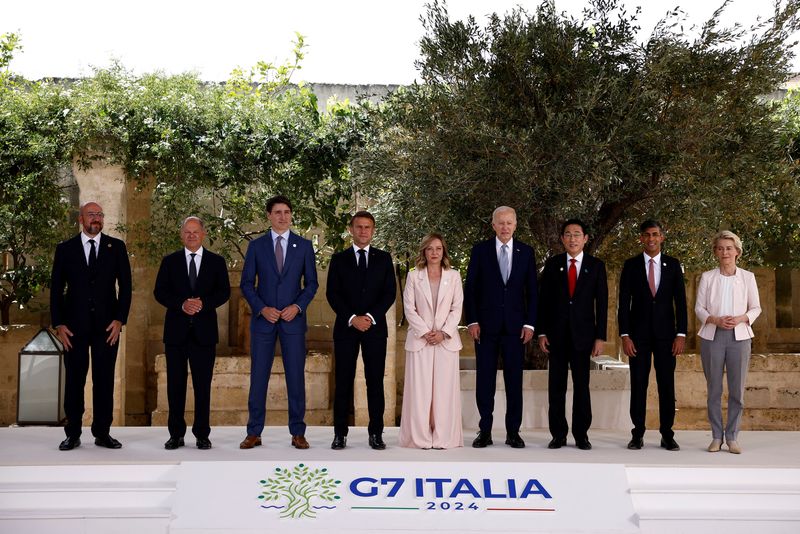
Investing.com -- Foreign ministers from the Group of Seven (G7) nations issued a unified declaration on Saturday, signaling a readiness to implement "necessary measures" to stabilize global energy markets. The statement, representing the top diplomats of the U.S., U.K., France, Germany, Italy, Canada, and Japan, emphasizes a commitment to safeguarding critical maritime routes.
As the Strait of Hormuz, a vital chokepoint for 20% of global oil and liquefied natural gas, faces increased instability, the coalition’s stance reflects a strategic effort to insulate supply chains from regional volatility.
The G7 communique delivered a sharp rebuke of "reckless attacks" targeting civilian and energy infrastructure, attributing the aggression to the Islamic Republic of Iran and its regional proxies. By condemning these actions in the strongest terms, the ministers are signaling a shift toward a more proactive defense of global energy security.
The diplomatic alignment seeks to provide a reliable buffer for energy markets that have remained sensitive following targeted strikes on processing facilities and transit vessels.
The coalition’s emphasis on maritime security highlights a broader intent to prevent the weaponization of international shipping lanes. As the G7 coordinates on protective measures, the market is monitoring for a potential increase in naval presence to ensure the integrity of commercial transit.
The collective security framework is viewed as essential for maintaining the flow of Middle Eastern exports to global hubs, particularly as Western energy demands remain reactive to geopolitical developments.