
Key insights
- Bank of America suggests the Nikkei 225 selloff may have found a short-term bottom, but a sustained recovery hinges on easing geopolitical risks, particularly in the Middle East. Rising energy prices, especially impacting the US summer driving season, could influence policy and sentiment. Prolonged disruptions would disproportionately affect Japan. Easing tensions could allow Japanese equities to resume their uptrend, while failure to resolve them could lead to further volatility and declines, indirectly impacting US market sentiment.
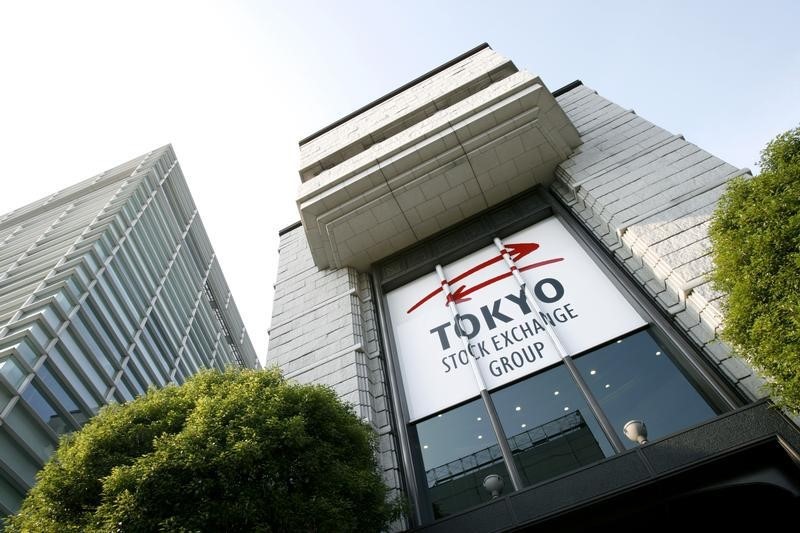
Investing.com – Japanese equities may have already found a near-term floor, but the outlook remains highly sensitive to geopolitical risks, particularly the evolving Middle East conflict, according to Bank of America.
The brokerage said the recent selloff in the Nikkei 225 likely marked a short-term bottom after volatility spiked sharply, a pattern historically associated with market troughs. However, whether this translates into a sustained recovery depends on how quickly macro uncertainties ease.
The decline in Japanese stocks was amplified by a combination of factors, including Japan’s reliance on imported energy and a rapid unwinding of crowded trades, particularly positions tied to artificial intelligence. Investors had heavily rotated into high-growth AI-linked stocks, and the reversal triggered outsized declines as those positions were cut.
A key trigger for a rebound, BofA said, could be stabilization in energy markets. Rising gasoline prices, especially heading into the U.S. summer driving season, may influence policy responses and investor sentiment. If energy costs continue to climb due to supply disruptions linked to the Strait of Hormuz, the pressure on global markets could persist.
The report highlights that Japan remains particularly vulnerable as a non-resource economy. A prolonged disruption in the Strait of Hormuz would not only affect oil flows but also broader commodities including LNG, coal, and industrial metals, raising input costs across sectors.
BofA added that if geopolitical tensions ease in the coming weeks, Japanese equities could resume their longer-term uptrend, supported by solid corporate fundamentals, stable earnings revisions, and continued foreign investor participation. However, failure to resolve tensions could lead to renewed volatility and potentially push markets below recent lows.
In terms of positioning, investors have recently favored stable-growth, high-return companies amid uncertainty, though high-beta and AI-linked names could rebound sharply if conditions improve.
Looking ahead, the brokerage highlighted energy-related and resource-linked companies as potential medium-term beneficiaries, as the current crisis underscores the importance of energy security and supply resilience.