

Top Cyber Stocks as AI Safety Concerns Drive Security Demand
INVESTING.COMSep 22, 5:01 PM UTC
Bank of America has elevated its outlook for leading cybersecurity stocks, citing AI safety concerns as a significant and lasting catalyst for the sector. Analysts raised price objectives for CrowdStrike, Okta, and SailPoint, noting increased recognition that AI creates new attack surfaces requiring additional security investment 🔗.
Cybersecurity ETFs HACK and CIBR gained 7.3% and 6.4% respectively over the past month, outperforming the IGV software ETF and S&P 500. This reflects a market shift towards pricing in a 'step-function increase' in cyber risk, supporting higher security spending and a more constructive valuation framework for the sector 🔗.
Key points:
A significant capital rotation is underway, with financial sector stocks experiencing steep declines as investors shift capital into AI-positioned technology companies. The Nasdaq hit a new record intraday high, fueled by optimism around Meta's AI developments 🔗.
Key movements:
This rotation highlights market conviction in AI's growth potential, even as major banks collaborate on principles for trusted agentic commerce 🔗.



Sandisk (SNDK) shares are poised for significant upside after Rosenblatt initiated coverage with a 'Buy' rating and a $2,400 price target. Analyst Kevin Cassidy highlights AI's role in transforming NAND flash memory from a commodity to a critical AI infrastructure component.
Key points:
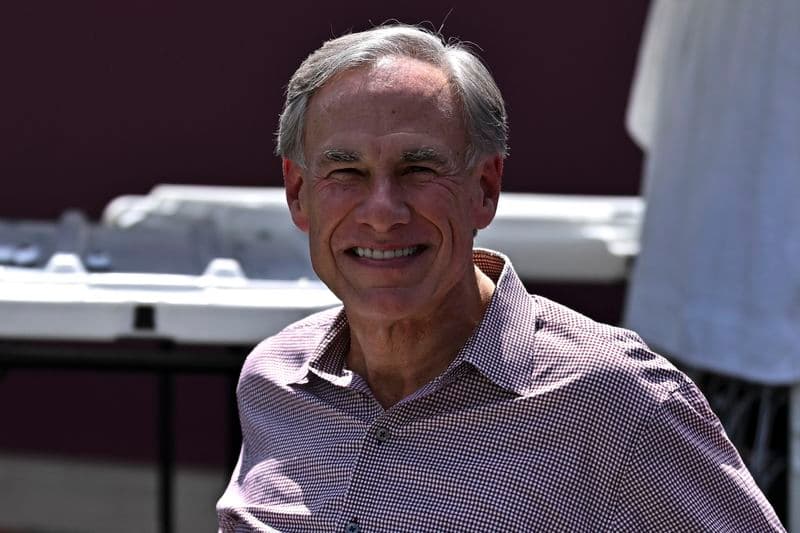
Texas Governor Greg Abbott has ordered a halt on all state-issued permits for data centers until an Electric Reliability Council of Texas (ERCOT) grid audit is complete 🔗. This directive also stops regulatory approvals for new data center development, citing concerns over grid stability and water usage 🔗. The move could impact the rapidly expanding data center industry, which is a significant consumer of power and water, and may signal increased regulatory scrutiny in other regions facing similar infrastructure strains. JPMorgan Chase CEO Jamie Dimon recently noted hyperscaler AI spending could hit $1 trillion next year, boosting economic growth but also potentially adding to inflation due to increased demand for power and infrastructure 🔗.

The Centers for Medicare & Medicaid Services (CMS) plans annual reimbursement cuts of up to 15% for clinical lab fees starting January 1, 2027. This move aims to align Medicare payments with private insurers, potentially saving $1 billion annually 🔗.
Key implications:
A new wave of 'agentic AI' is driving a significant tech rally, with Meta Platforms' (META) 'Muse' AI agent at the forefront. Unlike traditional chatbots, Muse's ability to execute autonomous, multi-step tasks is creating a 'wildly bullish scenario' for CPU-intensive chipmakers 🔗.
Key market impacts:
This shift towards CPU-intensive agentic AI is expanding the fundamental architecture required for AI, moving beyond GPU-heavy generative AI workloads 🔗.


Meta Platforms' new consumer AI assistant, 'Muse,' is driving a significant tech rally, with Meta shares up 6.5% and the Nasdaq 100 gaining 2.15% 🔗. This 'agentic AI' executes multi-step tasks, signaling a mainstream tipping point for autonomous AI.
The market is now pricing in a massive industry shift towards CPU-intensive AI, benefiting chipmakers like Arm (+15%), Intel (+13%), and AMD (+9%) 🔗. OpenAI is reportedly scrambling to develop its own agent to counter Meta and SpaceX's 'Grok Bot' 🔗.
Key points:
Wells Fargo has increased its price target for Meta Platforms (META) to $796 from $640, maintaining an Overweight rating. The firm cites encouraging early signs from a new product cycle, specifically Meta's Muse Spark 1.3 AI model, as a key driver. The new target implies a 16% upside from current trading levels. While revenue estimates remain unchanged, Wells Fargo reduced 2026 operating income estimates by 12% due to a $10B legal settlement charge. 🔗

US-listed companies with exposure to Greenland surged after the US and Denmark announced a security pact to establish a significant military presence on the Arctic territory. The deal, expected to be signed this week, aims to block adversaries from building bases. Greenland Energy soared over 141%, Greenland Mines gained nearly 70%, and Critical Metals Corp rose more than 30% in premarket trading 🔗.
Key details of the agreement are pending, but officials from Greenland and Denmark emphasized respect for self-determination and sovereignty 🔗.

An influential Congressional Black Caucus (CBC) signals strong support for AI regulation, with 60 of 62 members ready to vote for a bill. The focus is on guardrails, transparency, and protecting communities from potential AI harms, rather than competing with China 🔗.
This legislative push comes amid growing concerns over 'concerning model behavior' and 'jailbreaks' in AI systems. The CBC's stance could significantly impact future AI policy, especially if Democrats gain control of the House 🔗.
